Dive Into the Unknown: 7 Little-Known Tulip Facts to Discover
Posted on 13/08/2025

Dive Into the Unknown: 7 Little-Known Tulip Facts to Discover
Tulips are well-loved worldwide for their brilliant colors, elegant shape, and association with the joys of spring. Gardens, bouquets, photos, and art all celebrate the simple yet dazzling beauty of the tulip. But how much do you really know about tulips? There's more to these captivating blooms than meets the eye! In this comprehensive, SEO-optimized article, we'll dive into the unknown and uncover seven fascinating, lesser-known facts about tulips that will deepen your appreciation for these iconic flowers.
1. Tulips Originated Far From the Netherlands
While tulips are inseparably linked to Dutch culture and gardens today, their journey began thousands of miles away. The origins of tulips can be traced back to Central Asia -- specifically, the area that's now modern-day Kazakhstan, Uzbekistan, and surrounding regions. Wild tulips bloomed on the steppe and mountains, cherished and cultivated by early peoples, especially the Ottomans in Turkey.
How Did Tulips Reach the Netherlands?
- Turkish sultans loved tulips so much that they became a symbol of power and wealth in the Ottoman Empire.
- In the 16th century, tulip bulbs were gifted to European diplomats and eventually made their way via trade routes to the Netherlands.
- The Dutch fell in love with tulips, kickstarting a horticultural revolution that led to the association of the Netherlands with stunning tulip fields and an enduring floriculture industry.
Today, tulip tourism in Holland draws visitors from across the globe, but few realize the flowers' true roots lie in Asia's wild landscapes.
2. Tulip Mania: The World's First Economic Bubble
Tulips were at the center of one of history's wildest financial episodes, commonly known as Tulip Mania. In the 1630s, a frenzy over rare and exotic tulip bulbs caused prices to skyrocket -- some bulbs cost more than a house!
- Rich merchants bought and sold bulbs as speculative commodities.
- Rare varieties, especially those with unique streaks or patterns (now known as "broken tulips"), were wildly sought after.
- The bubble burst in 1637, leading to a dramatic economic crash and ruined fortunes.
Why did this happen? Scarcity, status, and the unpredictability of flower colors all fed the fire of speculation. Today, Tulip Mania is cited in economics, making tulips forever linked to financial cautionary tales as well as beauty.
3. The Secret Behind Tulip Stripes: Viral Infections!
Do you love the painterly stripes and feather-like streaks on some tulip petals? These striking patterns aren't a result of careful breeding alone. Many classic varieties got their unique looks due to a type of plant virus known as the tulip breaking virus.
- Infected bulbs produce flowers with dramatic "broken" colors instead of solid tones.
- During Tulip Mania, these "broken tulips" were the most expensive and prized of all.
- However, the virus weakens the plant and reduces its longevity and health.
Modern horticulturalists have developed striped tulips through genetic techniques rather than relying on viruses, ensuring both beauty and bulb health. Still, the mysterious stripes remain a treasured part of tulip lore.
4. There Are Over 3,000 Registered Tulip Varieties
If you think tulips are just red, yellow, and pink, think again! Today's tulip diversity is astounding.
Types of Tulip Blooms
- Single Early Tulips
- Double Early Tulips (peony-like blooms)
- Triumph Tulips
- Fringed Tulips (with feathered edges)
- Parrot Tulips (ruffled and multicolored)
- Viridiflora Tulips (petals marked with green)
- Rembrandt Tulips (classic, bold streaks)
- Kaufmanniana, Fosteriana & Greigii Tulips (early bloomers with unique shapes)
Color range: From blazing oranges and deepest purples to true blacks and snow-white, tulips paint the garden in virtually every color except blue. Every year, new tulip varieties are registered, continuing the long tradition of tulip innovation and fascination.

5. Some Tulips Are Edible (But Be Careful!)
When World War II struck and the Netherlands faced desperate food shortages, starving citizens sometimes resorted to eating tulip bulbs for survival. While most people don't consider tulips food, parts of the plant are technically edible.
Here's what you should know about edible tulips:- The petals of some tulip varieties can be used as a garnish or even stuffed with fillings for culinary presentations.
- Buds and petals have been used in salads (always ensure your tulips are grown organically!)
- Tulip bulbs can be toxic, especially if treated with chemicals or pesticides.
- Eating bulbs is not recommended unless you are knowledgeable and sure they are safe and untreated.
The story of tulips as emergency food is a testament to both the resilience of people and the many surprising aspects of the tulip plant.
6. Tulips Track the Sun Like Mini-Heliotropes
In the wild, tulip flowers have an impressive adaptation: a tendency to track sunlight throughout the day, similar to sunflowers. This phenomenon is called heliotropism.
- Tulip blossoms open wide on sunny days to attract pollinators, and close at night or in cool, rainy weather to protect their reproductive parts.
- Some wild tulips follow the sun's arc, maximizing light capture during their brief blooming season in mountain meadows or steppe regions.
- Garden varieties may show this characteristic to a lesser extent but still open and close in response to light and weather.
This movement gives tulip beds a dynamic, living quality, making gardens appear to wake up and go to sleep with the sun.
7. Tulips Have Inspired Art, Culture, and Celebration
The symbolism of tulips goes far beyond beauty. Their unique form and brief, spectacular blooming season have appeared in art, literature, and festivals through the ages.
Tulip Festivals Around the World
- Keukenhof Gardens in the Netherlands: hosts millions of visitors every Spring for the world's largest tulip display.
- Canadian Tulip Festival: Celebrates a gift of tulips from the Dutch royal family to Canada post-World War II.
- Istanbul Tulip Festival: Each April, the city celebrates its Ottoman tulip history with public displays and art.
- Skagit Valley Tulip Festival: A major event in Washington State, USA where endless flower fields bloom.
Artists from the Ottoman Empire, the Dutch Golden Age, and modern times have used tulips in paintings, textiles, poetry, and design. The tulip stands as a symbol of rebirth, love, and transience as well as perfection and grace.
Bonus: Surprising Tulip Records & Trivia
- The tallest tulip on record stood over 43 inches high!
- The genus name Tulipa is said to come from the Turkish word for "turban," due to the flower's rounded shape.
- There is a "black tulip" called Queen of Night, but it is in fact a very dark maroon (true blue and true black tulips don't exist -- yet!)
- Every year, the Dutch Flower Auction handles billions of tulips, making it the center of the global flower industry.
How to Enjoy and Grow Tulips in Your Own Space
After learning these incredible tulip facts, you may be inspired to bring a touch of their brilliance to your own garden or home. Here are some top tips for growing tulips successfully:
Tulip Planting and Care Tips
- Plant tulip bulbs in the fall, 6-8 weeks before the ground freezes.
- Choose a spot with full to partial sun and well-drained soil.
- Plant bulbs pointed side up, 4-6 inches deep.
- Add a light bulb fertilizer for healthy growth.
- After blooming, let foliage die back naturally to feed the bulb for next year's flowers.
- In warmer climates, bulbs may need to be dug up and refrigerated for optimal blooms.
Whether creating a carpet of color in the garden or arranging a single dramatic bloom in a vase, tulips add unparalleled elegance to any setting.
Conclusion: Tulips -- More Than Meets the Eye
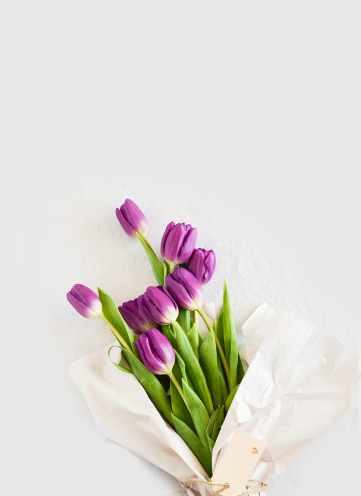
Tulips are much more than just a garden favorite. Their story is woven through history, art, science, and even economics. From ancient Central Asia to the fields of Holland, from stunning viral stripes to sun-tracking blossoms, there's a world of mystery beneath each petal.
Next time you pass a bed of tulips or see them arranged in a cheerful bouquet, remember these little-known tulip facts -- and let your imagination unfold with theirs. Dive into the unknown and let these iconic blooms inspire you anew, wherever you may find them.
Interested in learning more about unusual plants and fascinating flower facts? Subscribe to our botanical newsletter for weekly discoveries, expert gardening tips, and the latest floral science!