Master the Art of Cut Flower Maintenance
Posted on 03/07/2025
Master the Art of Cut Flower Maintenance: The Ultimate Guide
Cut flowers can transform any space, bringing a burst of color, freshness, and vibrancy. But how can you make sure your floral arrangements last as long as possible? Mastering the art of cut flower maintenance is key. This comprehensive guide will teach you the secrets to keeping your flowers fresh, healthy, and beautiful for days -- even weeks -- to come. Whether you're decorating your home or preparing flowers for a special occasion, these expert tips will help you extend the lifespan of your bouquets and elevate your floral game.

Why Proper Cut Flower Care Matters
Most people adore receiving fresh flowers, but few know that good flower care is both an art and a science. Without proper maintenance, cut flowers wilt prematurely, petals brown, and their brilliance fades. With the right flower maintenance techniques, however, you'll enjoy lush and lively arrangements significantly longer. Learning how to look after your blooms not only preserves their beauty but also maximizes your investment.
Understanding Your Flowers: The Science Behind Vase Life
Before exploring specific cut flower care strategies, it's helpful to understand what causes flowers to deteriorate once they're cut. The key factors are:
- Water uptake: Once separated from their roots, flowers rely entirely on their stems and capillaries for hydration.
- Bacteria growth: Stagnant, dirty water accelerates the growth of microbes that block stems and shorten the life of your flowers.
- Nutrient supply: Without access to natural nutrients, cut blooms require supplemental flower food to sustain vitality.
- Environmental stress: Temperature, sunlight, and air quality all influence how quickly flowers wilt.
Top Tips for Mastering Cut Flower Maintenance
1. Start with the Freshest Flowers
The longevity of your arrangement depends on its starting point. Always choose flowers with closed buds and firm petals whenever possible. Blossoms still in bud form will bloom more slowly and last longer in your vase than those already wide open.
2. Cleanliness is Key
Bacteria are a cut flower's worst enemy. To prevent their growth:
- Wash all vases and tools: Use hot, soapy water to remove any residue before arranging your flowers.
- Use clean water: Replace the water in your vase every 1 to 2 days.
- Remove leaves below waterline: Foliage submerged in water rots quickly, spreading bacteria.
3. Trim Stems Properly
A *fresh cut* helps flowers absorb water efficiently. Here's how to do it right:
- Use sharp scissors or florist shears: Blunt tools crush the stems, reducing water uptake.
- Cut stems at a 45-degree angle: Increases the surface area for water absorption.
- Trim 1-2 inches off each stem: Especially on arrival or when changing water.
- Cut underwater if possible: This reduces air bubbles, which can block the stem.
4. Mix the Perfect Flower Food
Commercial flower foods help keep water clean and supply essential nutrients to the blooms. Don't have any on hand? You can make a DIY solution:
- 1 quart water
- 2 tablespoons lemon juice
- 1 tablespoon sugar
- 1/2 teaspoon bleach
Mix well and add to the vase. This solution nourishes your flowers while keeping bacteria at bay.
5. Keep Your Flowers Cool and Comfortable
Temperature affects how quickly cut flowers age. Follow these guidelines:
- Avoid direct sunlight: Place arrangements in indirect light.
- Keep away from heat sources: Steer clear of radiators, vents, and appliances.
- Avoid drafts and fruit bowls: Ripening fruit emits ethylene gas, which prematurely ages blooms.
6. Refresh and Rehydrate Regularly
Don't let your flowers sit in the same water for more than a couple of days. Here's how to keep them healthy:
- Change the water every 48 hours
- Re-trim stems every time water is changed
- Add fresh flower food or a DIY solution
Pro Tips for Advanced Cut Flower Maintenance
Pruning and Deadheading
Regularly remove wilted or fading petals and leaves. This not only boosts the appearance of your bouquet but also prevents rot and mold from spreading. Don't be afraid to prune aggressively--it preserves the rest of the bouquet for longer.
Hydration Boosters: The Power of Conditioning
Some particularly thirsty flowers (like hydrangeas and lilacs) benefit from extra conditioning:
- Submerge stems in lukewarm water for several hours before arranging. This allows the blooms to soak up maximum moisture.
- For woody stems, lightly crush the base with a hammer. This increases water uptake.
Special Treatments for Sensitive Flowers
Not all blooms are alike. Some, such as tulips and daffodils, need special care:
- Daffodils: Their sap can poison other flowers. Always let them sit in water alone for a few hours before adding them to mixed arrangements.
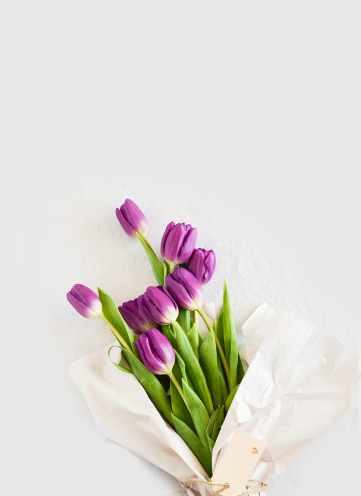
- Tulips: Use only a small amount of water; they grow and bend toward light. Re-trim stems frequently.
- Roses: Remove guard petals and submerge in cool water if limp. Cut stems under water for best results.
DIY Flower Preserving Hacks
Increase your bouquet's vase life with creative home remedies:
- Vodka: A drop or two reduces bacteria and slows aging.
- Pennies: The copper acts as a fungicide; add a clean penny to the vase.
- Clear soda: Mix 1/4 cup with 1 cup water for sugar and slight acidity (helps some blooms, but test first).
While these hacks can be fun, commercial flower food remains the gold standard for maximum cut flower longevity.

Organizing and Personalizing Your Flower Maintenance Routine
Create a Flower Care Schedule
Consistency is crucial. Get into the habit of checking your flowers daily. Here's a simple flower care routine to optimize freshness:
- Morning: Inspect blooms, remove wilted petals, check water level.
- Midday: Keep arrangement out of direct sun and heat sources.
- Evening: Top up with fresh water if needed; gently mist foliage for extra hydration.
- Every 2 Days: Change water, scrub vase, re-trim stems, and add more flower food.
Common Mistakes to Avoid in Cut Flower Maintenance
Even well-intentioned flower lovers make simple errors that can drastically reduce their bouquet's lifespan. Watch out for these classic mistakes:
- Neglecting to trim stems: It's essential every time you change water.
- Using dirty vases: Even a small number of bacteria can cause flowers to die days earlier.
- Letting foliage sit in water: Promotes decay and bacteria.
- Overcrowding flowers: Blooms need room to "breathe" and absorb nutrients.
- Ignoring temperature extremes: Keep arrangements away from direct sunlight, rapidly fluctuating temperatures, and harsh drafts.
- Not adding flower food: This step is crucial for nourishment and bacteria prevention.
Maintaining Cut Flowers for Special Occasions and Events
For weddings, parties, or important gatherings, it's vital to have your flowers looking their absolute best. Some additional steps for event flower maintenance include:
- Plan ahead: Buy flowers 2-3 days before the event; allow them to open to peak beauty.
- Transport with care: Flowers should be in water during travel. Mist lightly.
- Store in a cool place: Keep blooms away from heating vents, direct sunlight, and fruit bowls.
- Arrange as late as possible: This minimizes time out of water.
Top Flowers Known for Long Vase Life
Not all blooms are created equal. If you're looking to prioritize flowers with extended longevity, choose varieties that naturally last longer:
- Alstroemeria (Peruvian lily): Up to 2 weeks
- Carnations: 2-3 weeks
- Chrysanthemums: 2 weeks
- Zinnias: 2 weeks
- Sunflowers: 1-2 weeks
- Orchids: 2 weeks or more
- Lisianthus: 2 weeks
- Gladiolus: 7-10 days
Selecting these resilient types simplifies your cut flower maintenance routine and maximizes enjoyment.
Mastering Flower Maintenance: Frequently Asked Questions
- How often should I change the vase water?
Change the water every 1-2 days for optimal freshness. - Do flowers need flower food?
Yes! Flower food nourishes blooms and combats bacteria. - Can I revive wilting flowers?
Sometimes! Re-trim stems, refresh water, and submerge limp blooms in cold water for an hour. - Is aspirin or bleach safe for flowers?
A pinch of bleach can reduce bacteria. Aspirin works for some flowers, but commercial food is more reliable.
Conclusion: Elevate Your Floral Experience
Achieving long-lasting cut flowers is possible when you follow expert cut flower maintenance strategies. By paying attention to cleanliness, hydration, nutrition, and the unique needs of each bloom, you can enjoy stunning arrangements well beyond their usual vase life. Master the art of cut flower care and let every bouquet shine to its full potential!
Whether you're a beginner or a seasoned flower enthusiast, these tips will help you nurture radiant arrangements in your home, office, or event. Start today with your next bouquet and transform your space with the beauty of fresh flowers that truly last.